Why More Consumers Are Choosing to Shop Ethically
consumers are increasingly shopping with brands that align with their values. why is that?
Over the past few years, there’s been a noticeable shift in how people approach shopping. What was once considered a niche or idealistic way of consuming has started to feel far more mainstream. More people are questioning where their clothes come from, how they’re made, and what impact their purchases have beyond the checkout.
It would be easy to attribute this shift to one single factor, whether that’s increased political division or a growing awareness of environmental issues, but the reality is more layered than that. What’s happening is less of a sudden change and more of a gradual realignment between what people value and how they spend.
Contents
Awareness has changed people’s use of the ignorant card
People are more intentional with their purchases
The role of politics and cultural identity
Some of our favourite ethical spring fashion items 🌸
Is shopping ethically affordable?
Final thoughts
Awareness has changed people’s use of the ignorant card
One of the biggest differences today compared to even a decade ago is how much more visible supply chains have become. Too many brands have been called out for their greenwashing, terrible labour conditions and excessive waste. Stories around garment workers, environmental damage and overproduction are no longer hidden behind the scenes; they’ve become part of the wider cultural conversation.
The Ellen MacArthur Foundation estimates that the fashion industry produces over 92 million tonnes of textile waste each year, while the International Labour Organization has repeatedly highlighted ongoing issues with low wages and poor working conditions in global garment supply chains.
For many people, this doesn’t necessarily lead to an immediate overhaul of their shopping habits, but it does change the baseline. Once you’re aware of how something is made, it becomes harder to engage with it in the same way as before. And because this has become common knowledge for most online fast fashion or high street brands, consumers struggle to turn a blind eye.
People are more intentional with their purchases
Alongside that awareness, there’s been a subtle but important shift in how people think about buying things in general. Instead of focusing just on price or trend cycles, more consumers are starting to ask whether something is worth buying at all.
A study by McKinsey & Company found that consumers are increasingly prioritising durability and quality over price, particularly in fashion, signalling a move away from purely trend-led purchasing. Overconsumption has led to a rise of the desire of underconsumption or capsule wardrobes because consumers are getting fatigued. Ethical fashion naturally fits into that mindset because it encourages longer-term thinking rather than short-term consumption.
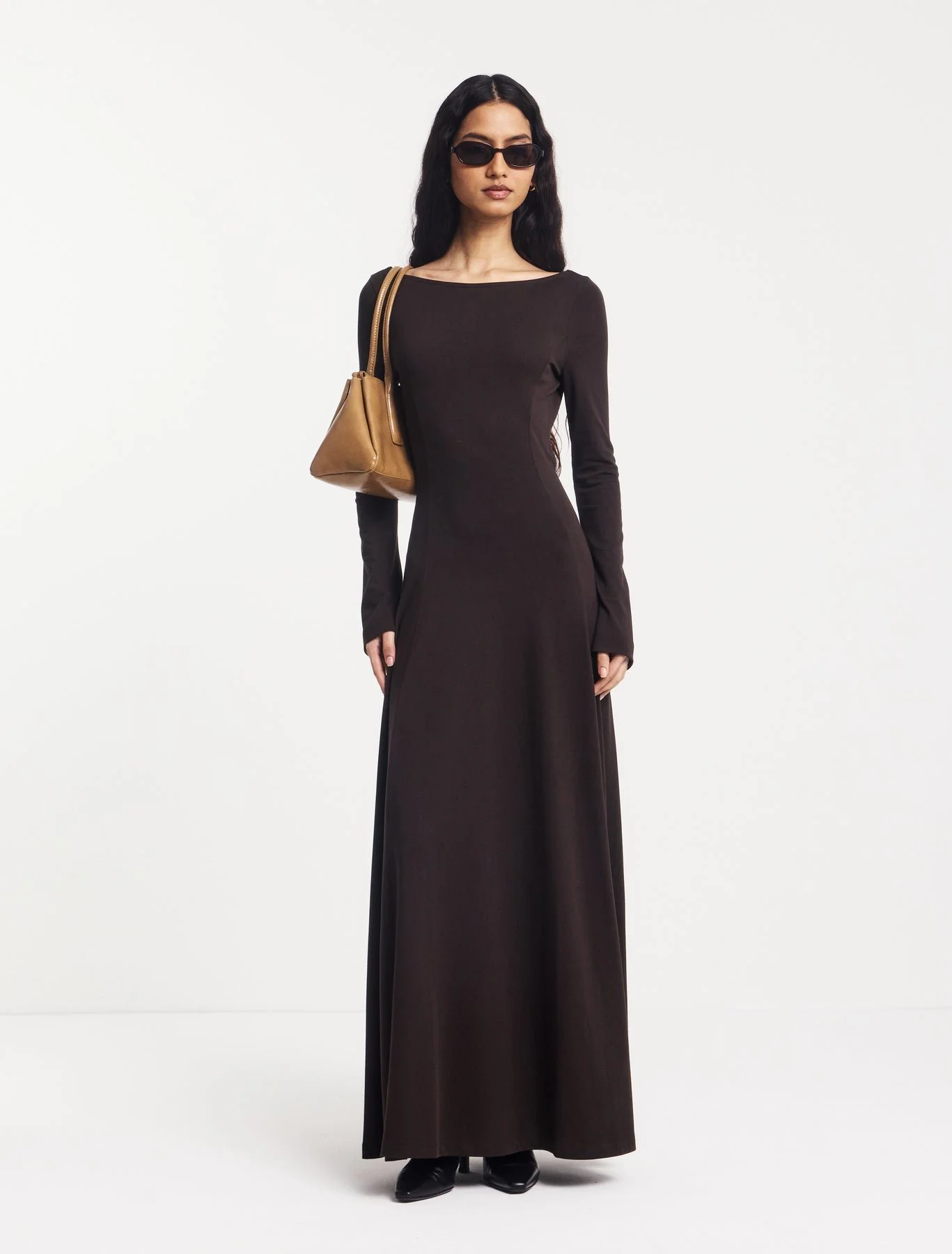
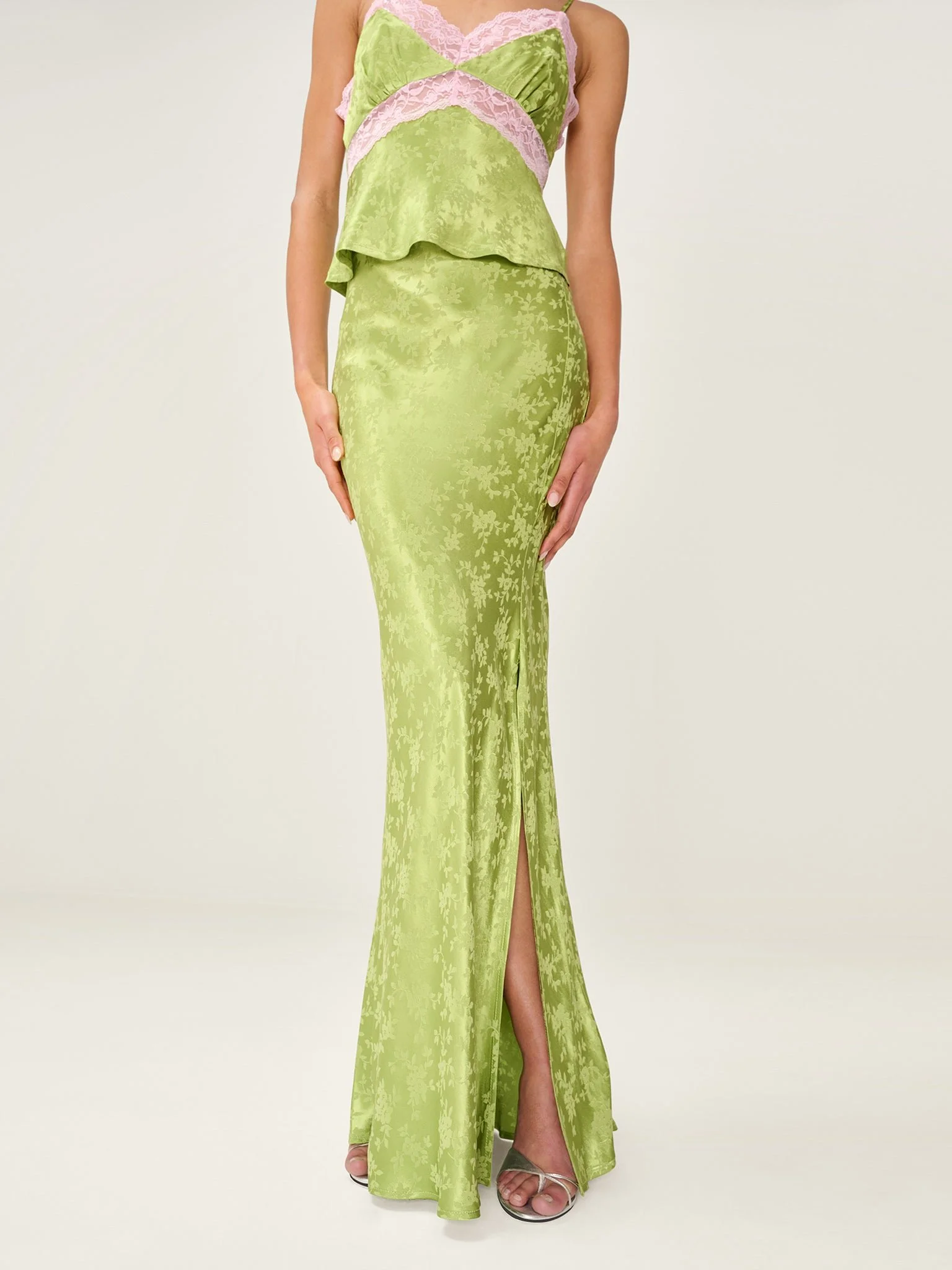
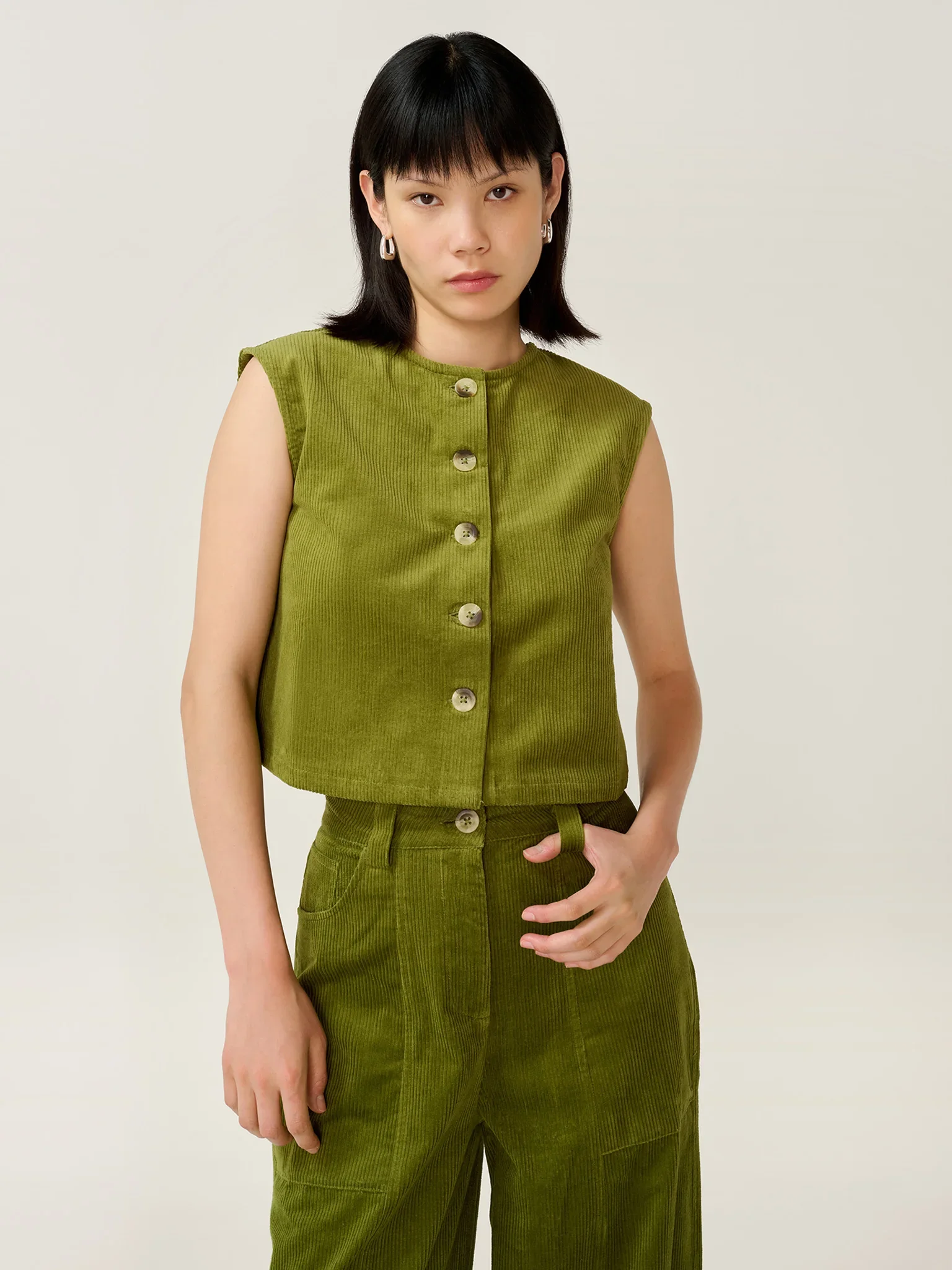
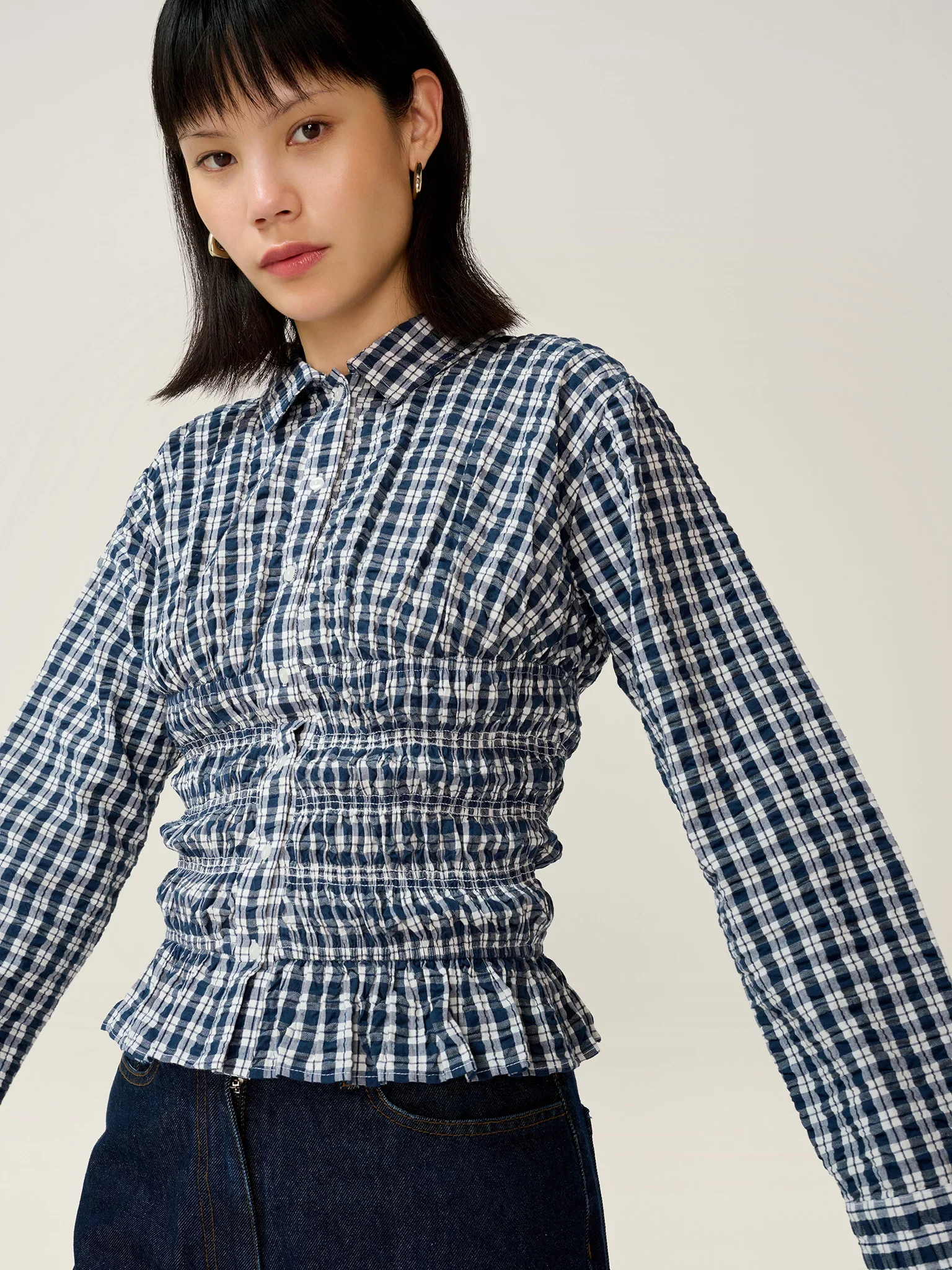
Some of our favourite ethical spring fashion items 🌸

Is shopping ethically affordable?
Most people think that shopping ethically is too expensive, especially when compared to fast fashion, but the reality is more nuanced. It will likely never be as cheap as ultra-fast fashion brands like Shein or Boohoo, and that’s because those price points are built on a model that prioritises speed and scale above almost everything else, including people and the planet. So trying to match that isn’t really the goal.
But there are plenty of ethical brands that are closer in price points to high street brands like Zara, Uniqlo or Abercrombie, where prices are already higher, quality tends to sit somewhere in the middle and ethical standards are pretty atrocious still.
Also while ethical clothing usually costs more upfront due to fair wages and better materials, it often lasts longer and gets worn more frequently, which can make it better value over time. At the same time, affordability doesn’t mean changing everything at once. Most people shift gradually, buying fewer, more intentional pieces that fit both their budget and their values.
As ethical fashion becomes more accessible, more common and easier, it also becomes easier to find options that feel financially realistic! So the more we support ethical brands, the more we help others to do the same too.
Final thoughts
Shopping ethically for spring shouldn’t feel like a chore. It shouldn’t require hours of research, endless tabs or compromising on style. This spring, you can look good and feel good too! Not just in what you wear, but in how it’s made and where it comes from.
At the same time, it’s worth saying that no one shops perfectly. Building a more ethical wardrobe isn’t about getting everything right or changing your habits overnight. It’s about making better choices where you can, in a way that feels realistic and sustainable for you. That’s what our mission is all about: not perfect, but better and with less effort, more clarity and options that actually feel like you :)
This skirt was made by transforming sweatpants from a shuddered men's luxury sporting brand into these adjustable, micro-minis by Official Rebrand, a New York upcycling label that takes discarded clothing and transforms it into one-of-a-kind gender-free pieces.
The original garment was made in Pakistan. Now is sewn by hand on a made to order basis in Queens, NY (allow 2 weeks to be made).
Available in 2 colours. Prices may vary.
Material:
Black and Olive: 50% cotton, 50% polyester, fleece like feel inside of fabric.
Heather gray: 75% cotton, 25% polyester, slightly lighter weight fabric.